23Working in Newcastle
Newcastle is one city with two summers: the coast gets a stiff afternoon sea breeze, and nine kilometres away at Callaghan the afternoons run about four degrees hotter with half the wind.
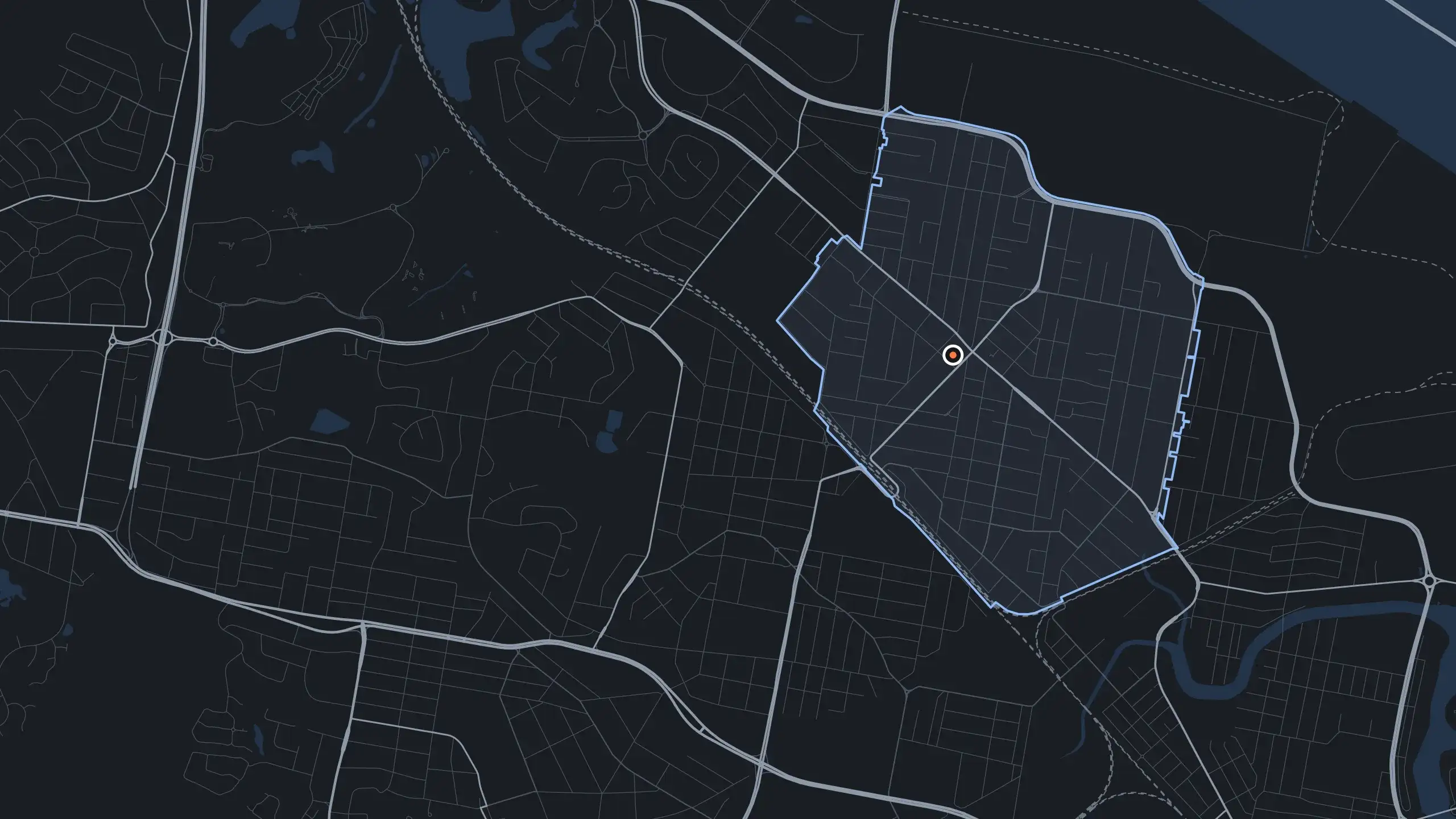
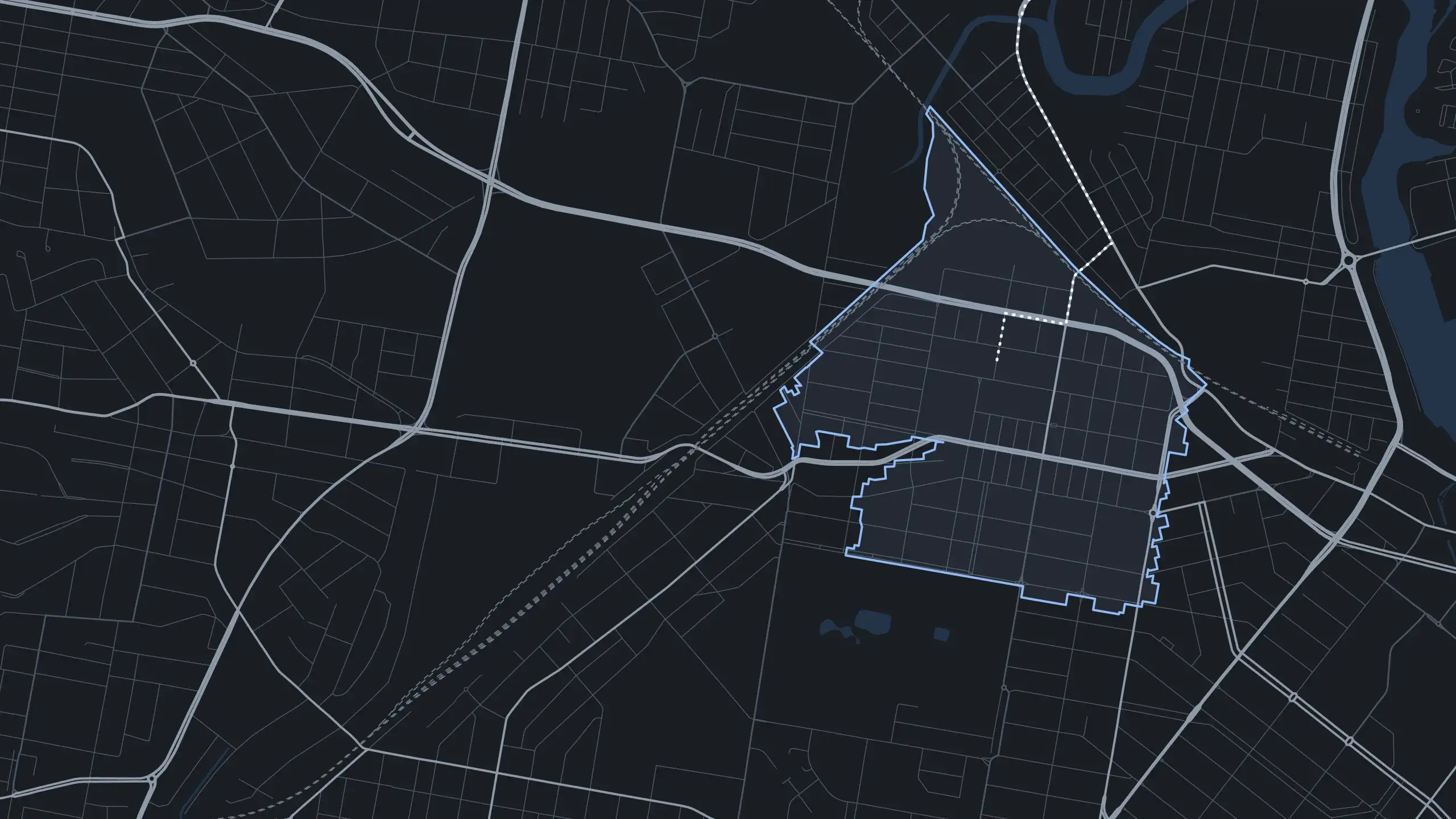
The Bureau of Meteorology has kept records at Nobbys since 1862, and its January afternoons average 25.6°C, with a 3pm wind of 33.2 km/h and humidity of 72%. Its Newcastle University station at Callaghan, about 9 km from Nobbys, recorded from 1998 until it closed in 2021. There, January afternoons averaged 29.5°C, the 3pm wind just 16.2 km/h and the humidity 57%. The housing follows the coal. Hamilton grew around a pit shaft finished in 1849, the Wallsend colliery opened in 1861 and Lambton's in 1863, and each became its own municipality in the 1870s. Mayfield had grand houses on its hill by the 1880s, then BHP's steelworks beside it from 1915 to 1999. Hamilton's older streets are mostly small lots.
Near the beach and the harbour
In the suburbs nearest the water, like Stockton, Merewether and the older streets close to the city centre, the sea breeze does a lot of the work on a summer afternoon. Systems here can often be a size smaller than further west, because the room never gets as hot to begin with. The trade-off is salt: the outdoor unit goes on the sheltered side of the house, and a yearly fresh-water wash keeps the coil and fixings from rusting early.
The old coal and steel suburbs
Mayfield, Lambton and Hamilton were built before anyone pictured air conditioning. Expect solid walls, back extensions that heat up fast and switchboards changed more than once. We check the switchboard on the quote visit. Our licence covers connecting the unit; a new circuit goes to a licensed electrician we bring in. Mayfield is also where our workshop is, so it and the suburbs around it get our quickest visits.
Out west toward Wallsend
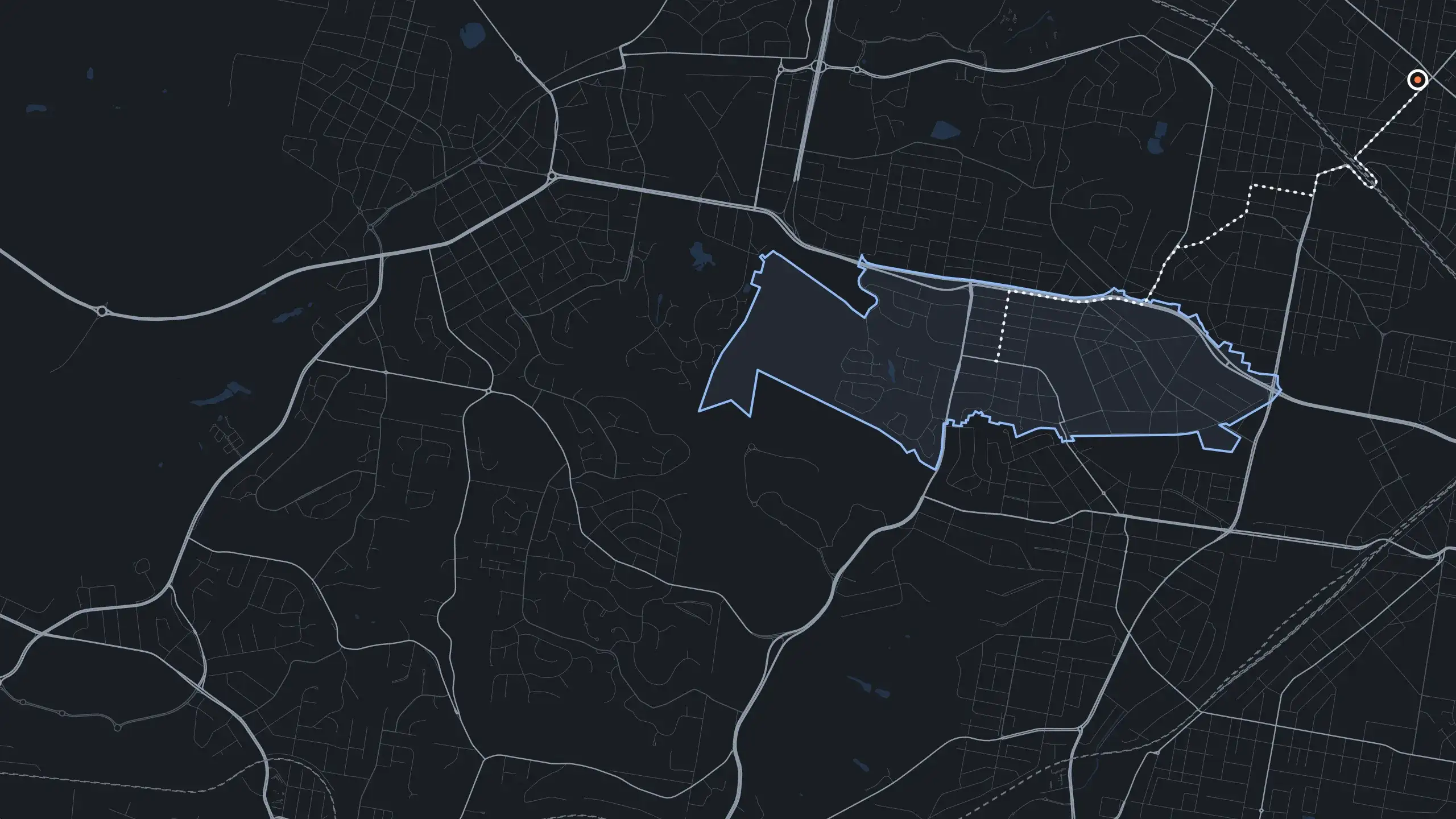
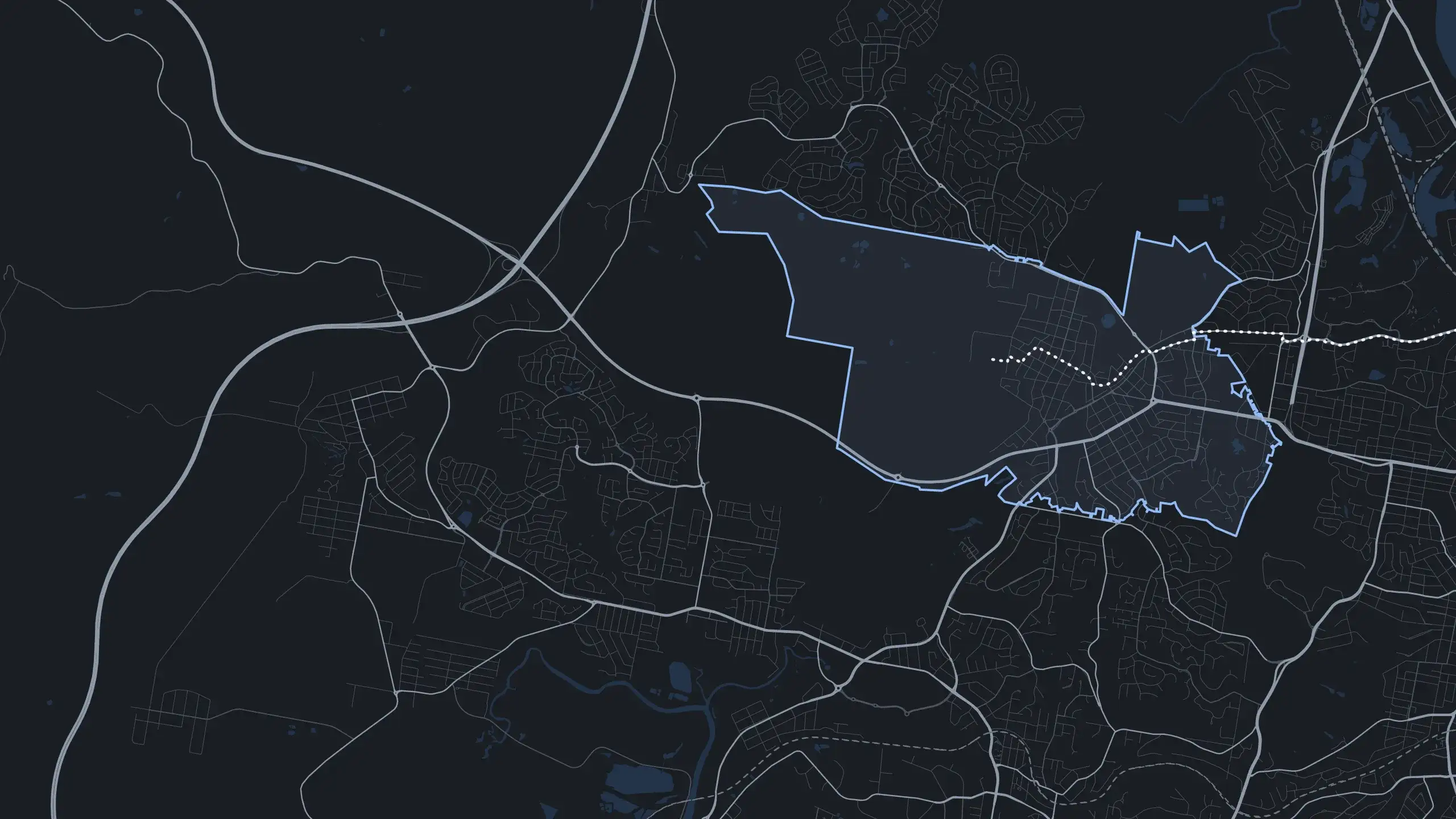
From Lambton out through Jesmond and Wallsend, the sea breeze fades and summer afternoons run several degrees warmer. West-facing bedrooms here take the worst of it, and a single big unit in the hallway rarely cools them at night. A split in each hot room, or zoned ducted where the roof space allows, is the usual answer. Mayfield, Lambton, Hamilton and Wallsend each have a page of their own below, with the streets, the history and the questions we hear there.